Javari Valley: Where Defending Life Means Respecting the Right to No-Contact
Logbook of the Visit to the Yavarí Valley on the Road to COP30
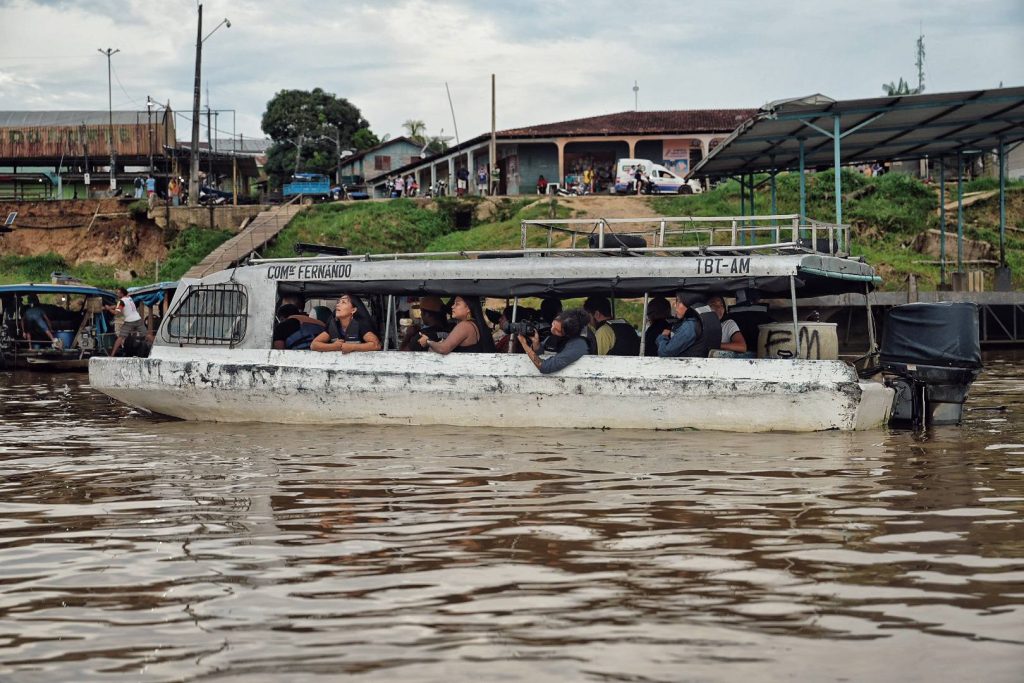
Photo: Hackeo Cultural
From the Amazon River
After navigating from the Ecuadorian Andes and crossing Peru via the Napo and Amazon rivers, we arrived in one of the most remote and sensitive regions on the planet: the Javari Valley, at the triple border of Brazil, Peru, and Colombia.
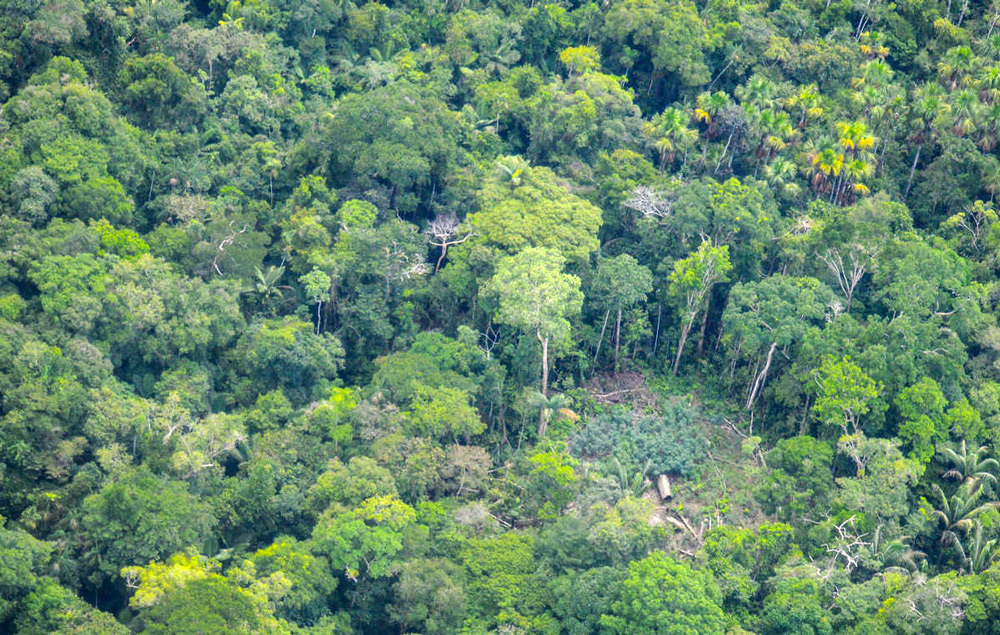
At this meeting point of waters and borders, we brought our message to the heart of the world’s largest refuge for Indigenous Peoples in Isolation and Initial Contact (PIACI): peoples who choose to live without contact with outside society and whose existence depends directly on the integrity of the forests that shelter them.
“We are born of water, and to water we return, because where water is born, life is born; and where life is born, a people is born.” — Yaku Mama Amazon Flotilla
From the peaks of Cayambe to the Yasuní, we sail to transform the pain of extractivism into collective strength. In the Javari Valley, that strength translated into an urgent call to protect the lives of those who only ask that their right to exist be respected.
A Border Under Pressure
The Javari Valley is not just a sanctuary of biodiversity: it is a territory under siege.
Routes for drug trafficking, logging, illegal hunting, and mining converge here, in one of the most fragile and dangerous areas of the Amazon. It is also the territory where, in 2022, journalist Dom Phillips and indigenist Bruno Pereira were murdered while documenting these very threats.
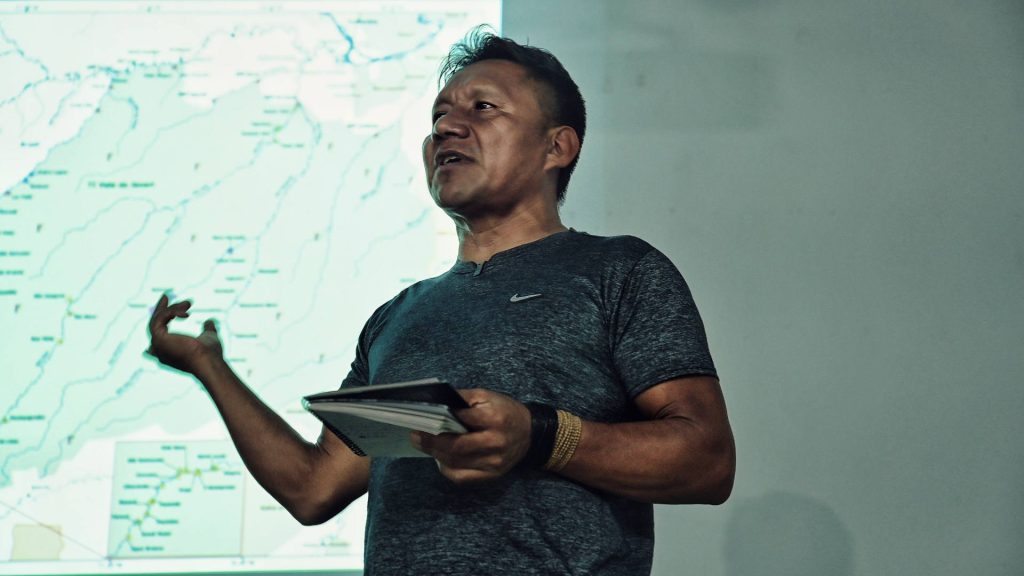
Photo: Hackeo Cultural
The Flotilla’s crew met with representatives of the Union of Indigenous Peoples of the Javari Valley (UNIVAJA) to learn firsthand about the situation of the PIACI. They also shared experiences with members of the Regional Organization of Indigenous Peoples of the East (ORPIO) from Peru, who, alongside UNIVAJA, are leading the Javari–Tapiche Territorial Corridor initiative—a transboundary effort seeking to protect over 16 million hectares of continuous forests, ensuring the physical and cultural survival of the PIACI.
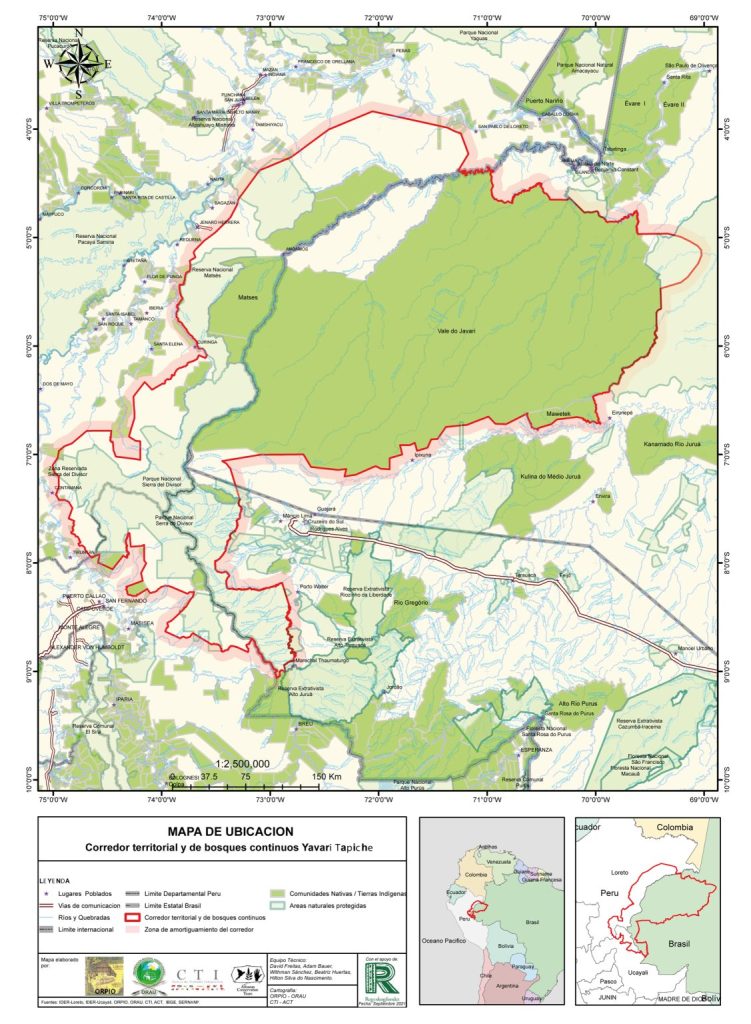
Source and created by: ORPIO, ORAU, CTI, ACT, and Rainforest US
A recent report from the GTI-PIACI (2024) confirmed an alarming trend: 50% of the territories of Indigenous Peoples in Isolation in South America overlap with 4,665 mining concessions or applications, many related to “critical” minerals for the so-called energy transition. Gold accounts for 42% of these pressures, followed by tin (24%) and lithium (10%).
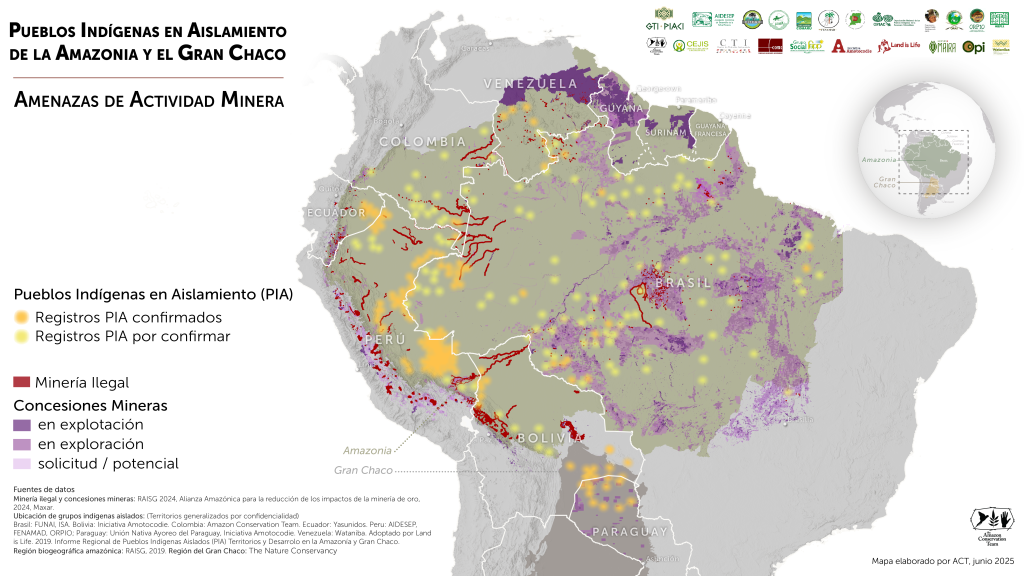
Source and created by: GTI PIACI
In Brazil, where much of the Javari Valley is located, 58 PIACI records are directly affected by these activities. Risk maps created by local organizations also reveal the expansion of drug trafficking routes, illegal roads, and extractive operations within territories that should remain untouched.
“The protection of the Javari–Tapiche Corridor is not just a local issue; it is a global responsibility. Guaranteeing the legal security of these territories and strengthening Indigenous governance is the most effective strategy to conserve the Amazon.”
— Wakemo, young Waorani spokesperson for the Yaku Mama Amazon Flotilla
A Lethal and Invisible Threat
The lack of official recognition and demarcation of PIACI territories not only violates fundamental rights but also puts lives at immediate risk.
Source and created by: AIDESEP
Their high immunological vulnerability, a result of centuries of isolation, means that even a common cold introduced by an invader can be fatal. Documented cases from past decades show how simple, accidental contacts led to the disappearance of entire peoples.
Therefore, preventive protection, through exclusion zones and permanent monitoring, is the only truly ethical and viable policy.
Demands for COP30: No to an Energy Transition at the Expense of the PIACI
As the Flotilla advances towards Manaus and then Belém, where its journey will culminate at COP30, it carries a firm message:
the energy transition cannot replicate fossil fuel injustices or sacrifice Indigenous territories in the name of the climate.
From the heart of the Amazon, the Flotilla will demand:
- Recognition of the right to exist and creation of “Exploitation-Free Zones”
Demanding an immediate ban on all extractive activities in recognized PIACI territories, nullifying concessions and applications for critical minerals, and guaranteeing the principle of no-contact as a fundamental right. - Supply Chain Responsibility
Urging governments, corporations, and multilateral bodies to establish traceability and sanction mechanisms to prevent minerals from PIACI territories from entering global value chains. - A Rights-Based Just Transition
Promoting an energy transition that repairs the historical injustices of the fossil fuel model and strengthens Indigenous governance, ensuring that climate finance reaches those who care for the forest directly.
The Silence That Also Speaks
The Peoples in Isolation have no speakers at summits or in the media. Their silence is, in itself, a form of resistance and a call to humanity.
The Yaku Mama Amazon Flotilla sails for them, for the rivers, and for the rights the world has yet to hear. Because to defend their existence is to defend the balance of the entire planet.
“We continue sailing, carrying the voices of those who defend life, and the silence of those who only ask for their right to exist to be recognized.”