With Satellite Technology, Amazonian Indigenous Peoples in Peru Monitor Illegal Deforestation
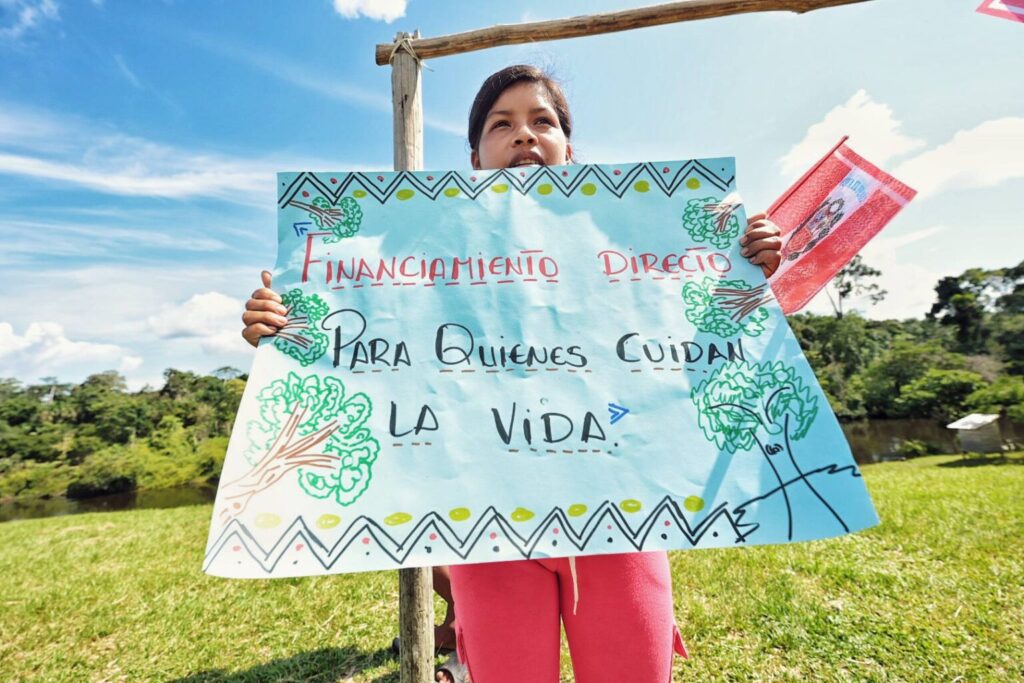
With Satellite Technology, Amazonian Indigenous Peoples in Peru Monitor Illegal Deforestation In this new chapter of the Yaku Mama Flotilla’s travel diary, a journey into the experience of the Regional Organization of Indigenous Peoples of the East (ORPIO) satellite monitoring in their fight against illegal logging. By EmergentesOctober 23, 2025 11:00 AMBy Lucía Ixchíu With the Yasuní River by our side, we set off to cross the border that separates the peoples and communities along what we now call the line between Ecuador and Peru. In the community of Yarina, in the Loreto province, the sons and daughters of the river and the stream welcomed us with songs and a contagious joy for our visit. Hugs and greetings were exchanged between the peoples, who asked us, repeatedly, to carry and amplify their voice as guardians of the forest. For years, communities of different nationalities have been monitoring and protecting the jungle in an area of over six million hectares of Amazon rainforest—all with their own resources and ancestral knowledge. The Regional Organization of Indigenous Peoples of the East (ORPIO) has been working for several years, supporting everything from land titling to the development of its own pioneering, technology-assisted monitoring system. Amidst the risks and impunity that mark the defense of territory in Abya Yala—threatened with death and persecuted by industries of all kinds—they stand firm, with the conviction to expand the territories where they can watch over and unite in the protection of one of the most important forests on the planet. We swam in the river that, for hundreds of years, has been home to thousands of species. We swam and saw the Sapara and Sarayaku peoples rowing in the same canoe. “The answers have always been in our territories,” said the participants in the Yaku Mama Amazon Flotilla Our gathering ended with a dinner and a detailed explanation from the community’s apus (leaders), monitors, and community technicians about their work and how they watch over the forest against illegal extraction The conversation was led by women, youth, and by those who place life at the center of everything. A blanket of stars accompanied us throughout the night, and lulled by the river, we rested. With the singing of birds, the sun rose, and we departed again, saying goodbye to Yarina and everything it taught us in such a short time. This time, we left with more hope: the future is today—and it is being built by the peoples who walk, create, and, like ants, change the world. Source: MidiaNinja